Guidance, Navigation & Control for Modern UAV Systems
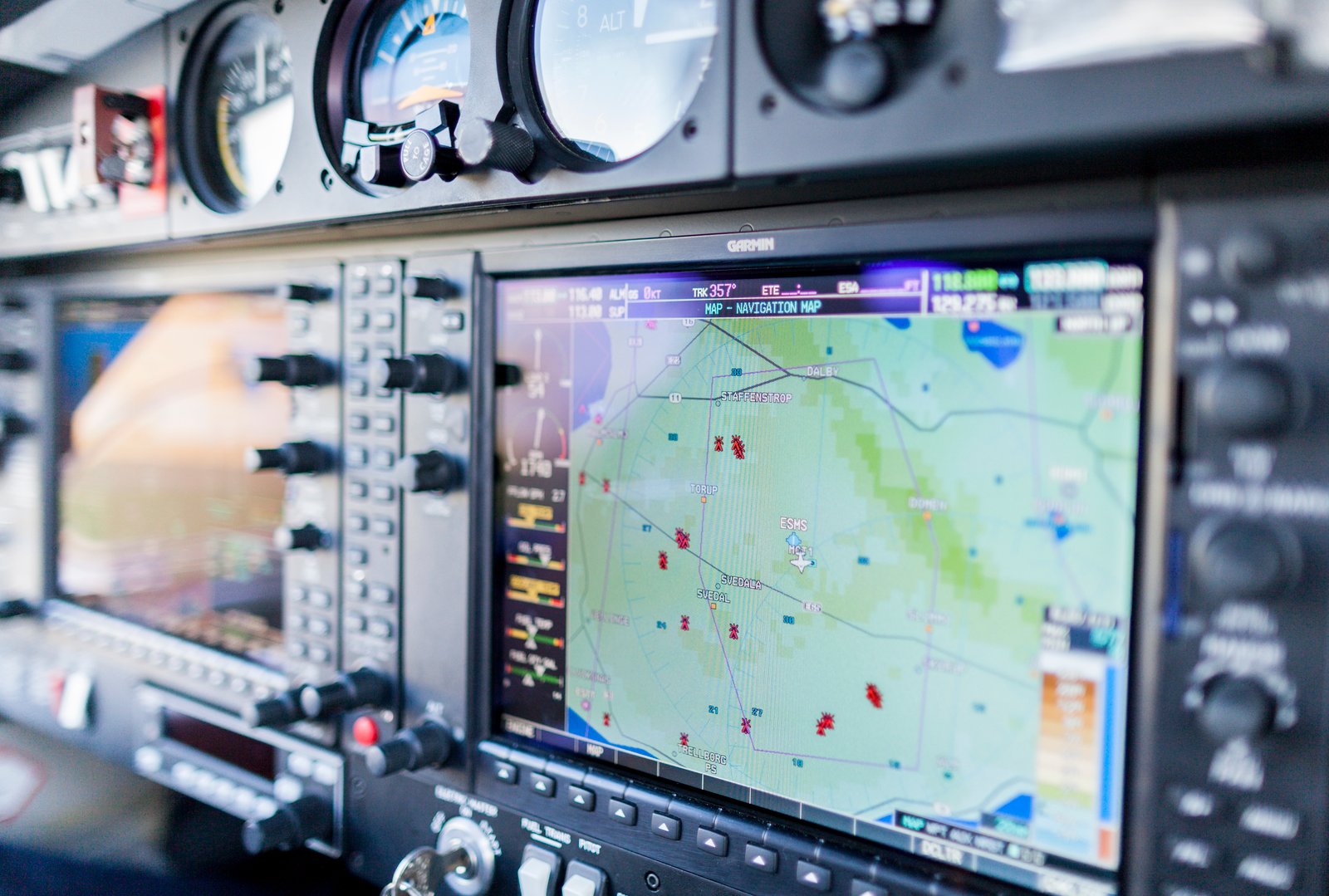
Autonomous flight demands precise GNC algorithms. We explore the state of the art in UAV guidance, navigation, and control.
Mamoon Ammar Alvi
March 5, 2025·8 min read

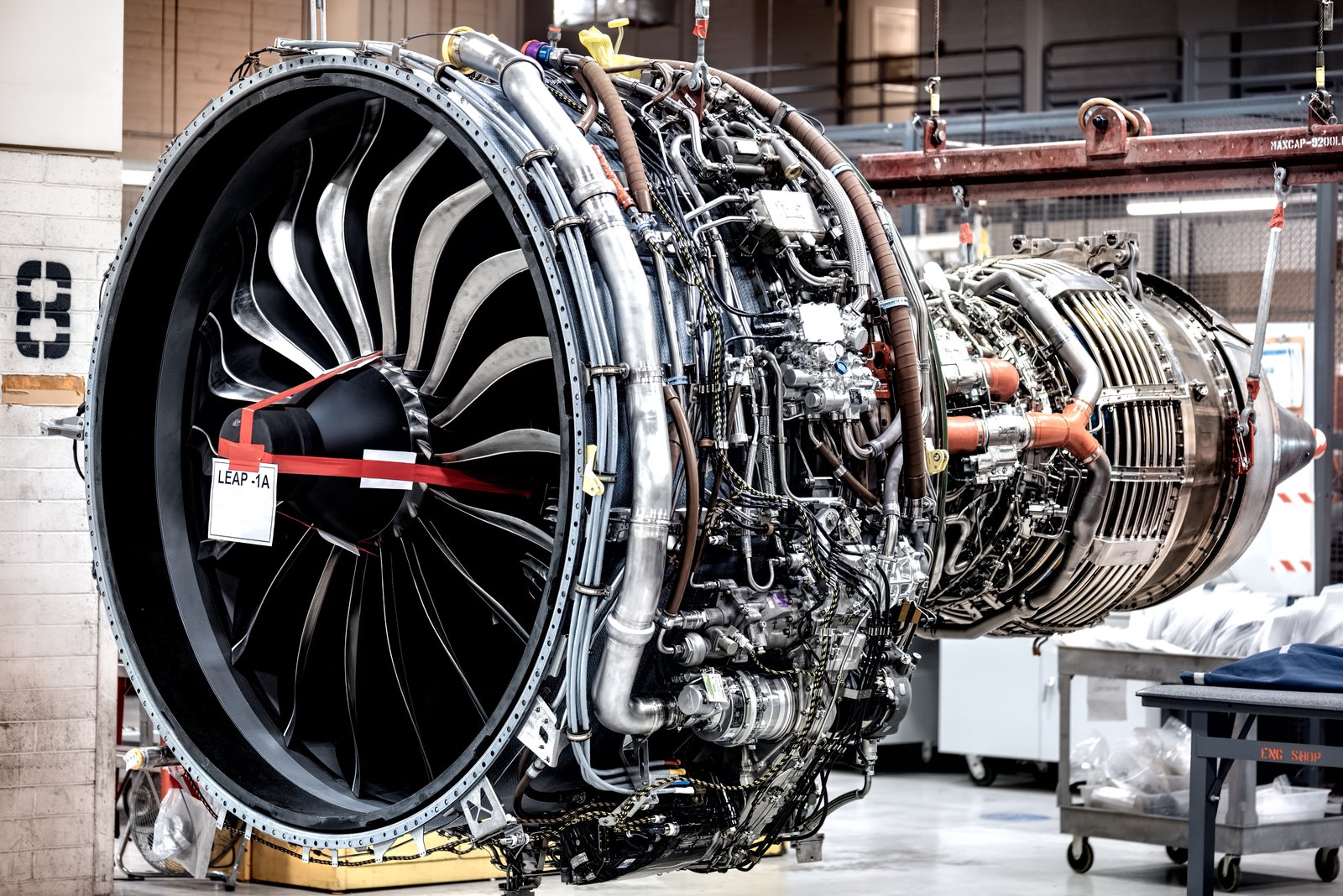
Reverse engineering is the process of creating a digital model from an existing physical part. It is essential when original design documentation is unavailable — common in legacy aerospace hardware, obsolete components, and competitor analysis.
Reverse engineering is widely used for:
We combine high-accuracy 3D scanning with expert CAD reconstruction to deliver production-ready models. Our team has reverse-engineered components ranging from small brackets to complete engine nacelles.
Autonomous flight demands precise GNC algorithms. We explore the state of the art in UAV guidance, navigation, and control.